

The Mechanics of Semi-Automatic Pistols
To understand semi-automatic pistols, it’s crucial first to define what a pistol actually is and how it sets itself apart from revolvers. Although often used interchangeably, a pistol refers specifically to a type of handgun that uses a single chamber for each shot, complemented by a detachable magazine where bullets are stored. On the other hand, revolvers utilize a rotating cylinder that holds individual cartridges. This distinction is significant because it influences how each type of firearm operates and how users interact with them.
Understanding Magazine vs. Clip
A common point of confusion when discussing semi-automatic pistols is the difference between a magazine and a clip. While many might use these terms synonymously, they refer to different components. A magazine is a self-contained unit that holds ammunition and feeds it into the firing chamber. It can be detachable, allowing for quick reloading during use. Conversely, a clip is primarily a device that holds multiple rounds together but does not act as a feeding mechanism on its own. The important role of the magazine in a semi-automatic pistol cannot be overstated; it enables rapid firing by allowing the user to quickly replace a spent magazine, thereby maintaining a steady flow of fire. In practice, this means that an experienced shooter can manage their shots effectively without the need for frequent manual reloading.
How Recoil Operates a Semi-Automatic System
Now let’s delve into the fascinating mechanics of how a semi-automatic system operates via recoil. When a round is fired, the energy produced not only propels the bullet but also causes the slide of the pistol to recoil backward. This recoil energy is cleverly harnessed in semi-automatic designs to perform two key actions: ejecting the spent cartridge and chambering a new round from the magazine.
This process unfolds swiftly, taking only fractions of second. As the slide returns to its forward position, a new bullet is pushed into the chamber, ready for the next trigger pull. It’s important to note that this cycle occurs only once per trigger squeeze, distinguishing semi-automatics from fully automatic firearms, where holding the trigger down continues to fire until released. A well-calibrated semi-automatic pistol can achieve impressive rates of fire for its design, with some capable of firing as quickly as a shooter can pull the trigger.
With the recoil from firing a round being essential for how a semi-automatic pistol works, this means the shooter needs to grip the pistol tightly for it to function properly. If the pistol shifts in the shooter’s hand, it can lead to a loss of energy, which may create several issues. These issues can involve failing to remove the empty cartridge from the chamber, not loading a new round from the magazine, or incorrectly positioning the round in the chamber.
Common Misconceptions About ‘Automatic’ Handguns
One prevalent misconception surrounding semi-automatic handguns is their label as “automatic”. Many assume that all handguns labeled as automatic can fire continuously with a single trigger pull. However, this is a fundamental misunderstanding. The term “automatic” typically refers to firearms that continue to fire as long as the trigger is held down, which includes machine guns and submachine guns.
In discussions among enthusiasts or casual shooters alike, it’s common to hear terms misused, which can lead to safety issues and improper handling of firearms. Education is key to dispelling these myths. A little education about pistol mechanics can go a long way in promoting responsible ownership and use. Emphasizing to new shooters that a semi-automatic’s operation is based on the user’s control over the trigger pull, rather than a free-sustained firing action, can help clear up the confusion about these guns.
Single Action Semi-Automatic Pistols
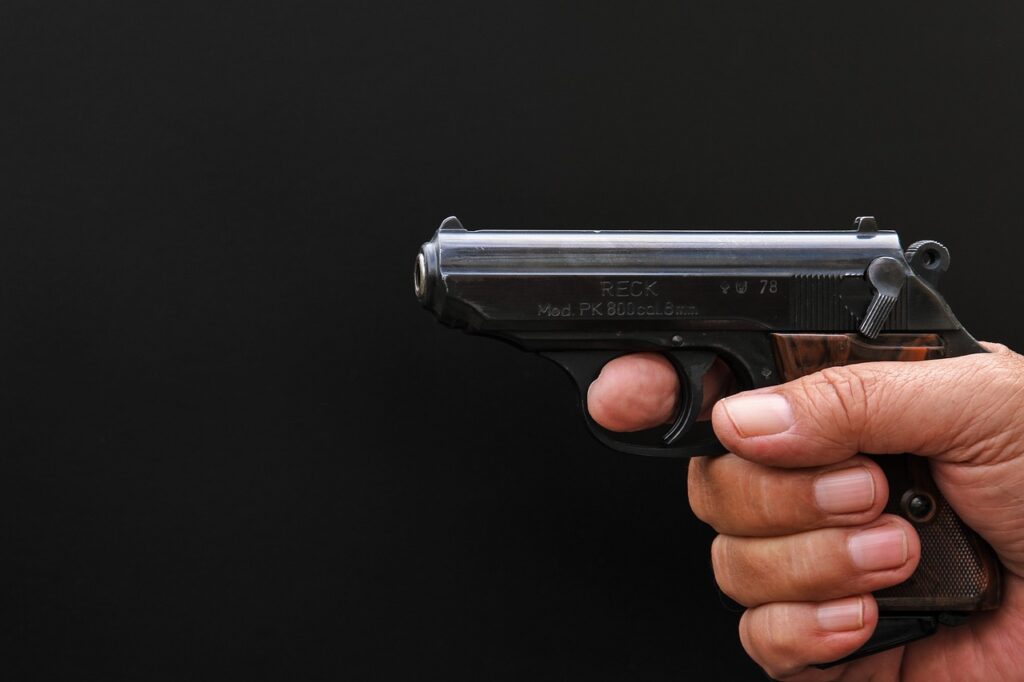
Single action semi-automatic pistols have a special spot in the world of firearms. They’re considered one of the most respected handguns among shooting enthusiasts. Some consider the automatic action to be by far the single, best invention of all time. Knowing how they work, along with their benefits and drawbacks, can help us make wise decisions about how to use them. Let’s dive in!
How a Single Action Semi-Automatic Pistol Functions
A single action semi-automatic pistol operates based on a simple yet effective mechanism. The name itself gives a hint to its operating principle: “single action.” This means that the trigger only performs a single action—releasing the hammer to fire the round. Here’s a look at how it works:
Loading the Chamber: Before any action can happen, a round is placed in the chamber. Typically, this is done automatically when the slide is racked, pushing a cartridge from the magazine into the chamber.
Firing the Pistol: Once a round is chambered, pulling the trigger releases the hammer, which strikes the firing pin, igniting the primer, and firing the bullet.
After Firing: After the bullet exits the barrel, the slide moves back, ejecting the spent cartridge case. Simultaneously, it chambers the next round, preparing the pistol for the next shot.
Manual Hammer Cocking: Unlike double-action pistols where the trigger pull both cocks and releases the hammer, single action pistols often require the shooter to manually cock the hammer before firing the first shot. This can lead to a lighter trigger pull for subsequent shots.
This firing sequence means that the single action mechanism can provide a crisp and light trigger pull, something that many shooters appreciate for accuracy.
Pros and Cons of a Single Action Semi-Automatic Pistol
Just like anything else, single action semi-automatics come with their own set of advantages and drawbacks. Here’s a breakdown to consider:
Pros
Crisp Trigger Pull: As previously mentioned, the single action mechanism results in a lighter and more defined trigger pull, which many seasoned shooters prefer. It can enhance accuracy, especially during rapid shooting situations.
Reliability: These types of pistols are often lauded for their reliability. The simple design of the action means there are fewer moving parts that could malfunction.
Historical Significance: Many admire single action pistols for the rich history they represent. Firearms like the Colt 1911 have become iconic and evoke a strong sense of nostalgia.
Cons
Need for Manual Cocking: The requirement to cock the hammer before firing can be a disadvantage. In defensive scenarios, the time taken to cock the gun can hinder quick responses.
Less Versatile: While they excel in target shooting, single action semi-autos may not be the best choice for all situations. Their design is more suited to specific uses like sport shooting rather than varied defensive or tactical scenarios.
Higher Learning Curve: For new shooters, mastering the distinct handling of a single action pistol may take time. Learning to decock the weapon and manage the trigger can be challenging without proper training.
One wouldn’t typically suggest a single action semi-automatic pistol as the first gun for someone who’s just starting out, especially if they’re looking for a firearm mainly for personal protection. There are two main reasons for this. First, these types of pistols can be very prone to jams if the shooter doesn’t hold them tightly, which is something a beginner might struggle with. Second, to really work well in a self-defense situation, they need to be carried with the hammer back and safety locked, which can be tricky for new shooters to manage.
Single Action Semi-Automatics are fantastic choices for target shooting and competitions, plus they’re great for personal defense and use by police and military. With their light and responsive trigger, these pistols can be incredibly accurate when handled by someone who knows what they’re doing.
Double Action Pistols

Double action pistols have long been a popular choice for both recreational shooting and personal defense. But what makes them unique? Let’s break down the key components, functions, and their variations.
How a Double Action Pistol Functions
At its core, a double action pistol can be toggled between two functions: single-action and double-action. In a single-action mode, the shooter must manually cock the hammer before each shot. Once cocked, the trigger simply releases the hammer, firing the gun. However, in double-action mode, pulling the trigger both cocks and releases the hammer, enabling a quick follow-up shot without needing to reset the hammer manually. This feature can be particularly advantageous in self-defense situations when every second counts.
The Hammer Drop Safety and Decocker Only
The design of double action pistols often includes additional safety features, such as the hammer drop safety. This mechanism allows the shooter to lower the hammer safely without firing the gun. Additionally, pistols equipped with a decocker only feature enable users to decock the hammer safely while ensuring the gun is not loaded. These safety additions are crucial for new users who may feel apprehensive about handling firearms.
Decock Only
Some double action pistols come with a decock-only feature, meaning they do not have the hammer drop safety. This type allows users to simply decock the weapon without firing. It’s worth mentioning that opting for a decock-only model may provide a cleaner design and simplicity for shooters who prioritize straightforward operation. The absence of a hammer drop safety may also appeal to those accustomed to only using the decocker.
Double Action Only Semi-Automatic Pistols
Moving on, we have the double action only (DAO) semi-automatic pistols. Unlike traditional double action, DAO pistols are designed to operate solely in the double-action mode. This means that every time the trigger is pulled, it requires the full travel to fire the weapon. Many law enforcement agencies favor DAO pistols for their consistent trigger pull and added layer of safety in high-stress situations. As a bonus, these pistols usually weigh less due to the absence of a traditional hammer mechanism, making them easy to carry for extended periods.
Striker Fired Pistol
The striker-fired pistol offers yet another twist on the double action concept. Rather than utilizing a hammer, these models feature an internal striker. The trigger pull mechanisms here are often lighter and consistent throughout, providing a different shooting feel compared to classic double-action pistols. With fewer moving parts, striker-fired pistols tend to be highly reliable, making them a favored choice among concealed carry aficionados. Popular brands in this category include Glock and Smith & Wesson, each delivering their spin on this innovative design.
Safe ActionTM
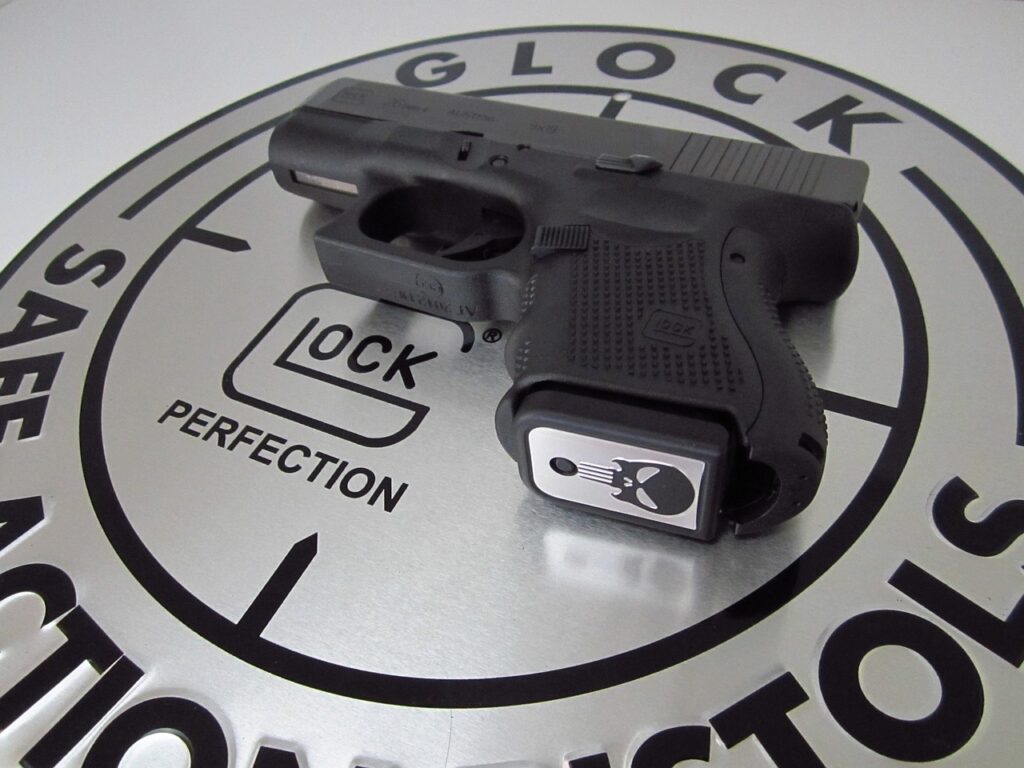
Glock’s Safe Action™ is a well-known example of a striker-fired system designed to minimize the risk of accidental discharges. Essentially, the mechanism includes three independent safety features, which engage when the trigger is not pulled. This design promotes user confidence by reducing the likelihood of catastrophic misfires. By cleverly combining safety and reliability, Glock has managed to carve a niche for itself in the world of firearms.
In conclusion, double action pistols are characterized by their complex mechanisms and variations that cater to various preferences and needs. From traditional cock and release actions to innovative striker-fired designs, these firearms present options for everyone, whether you’re a seasoned shooter or a newcomer to the world of firearms. As technology evolves, the features and safety measures embedded in double action pistols continue to enhance their appeal in the community.
Pistols for Hunting
When one thinks about hunting, images of robust rifles are often the first to come to mind. However, the use of pistols in hunting is gaining traction among enthusiasts who appreciate their unique advantages. Hunting with pistols, while not as common as with long guns, offers a blend of skill, thrill, and a distinctive set of challenges. Let’s take a look at the different kinds of pistols used for hunting and what makes each one great for the job.
Semiautomatic Pistols
Semiautomatic pistols provide an excellent option for those who prefer a quicker follow-up shot. With their ability to chamber a round automatically after each shot, these pistols can be particularly handy when dealing with fast-moving game.
Caliber Choices: Many hunters opt for higher caliber semiautomatic options, such as the .40 S&W and .45 ACP. The recoil management can be better with these compared to smaller calibers, allowing for more controlled shooting.
Capacity: One significant advantage of semiautomatic pistols is their larger magazine capacity, often holding 10-15 rounds or more. This makes them suitable for hunting situations likely to involve quick, multiple shots.
Single-Shot Pistols
For those who value precision and simplicity, single-shot pistols can be a fantastic choice. These guns require the hunter to manually reload after each shot, which encourages careful aiming and consideration of each trigger pull.
Popular Models: The Contender and Encore are popular choices among single-shot pistols. They are highly customizable and can be fitted with various barrels to suit different hunting needs.
Pros and Cons: The design allows for very accurate shooting and often provides a wider range of caliber options. However, the need to reload after each shot can be a disadvantage in situations where multiple shots are needed.
Target Pistols
Target pistols, originally designed for shooting sports, are also sometimes adapted for hunting smaller game. Their superior accuracy and smooth triggers make them an appealing option for specific types of hunting.
Characteristics: These pistols are typically heavier with longer barrels, allowing for improved stability and precision. They are often chambered in smaller calibers, such as .22 LR, perfect for hunting small game like rabbits or squirrels.
Limitations: While incredibly accurate, their lightweight design may not handle larger calibers well, making them less suitable for bigger game hunts.
Considerations for Choosing a Hunting Pistol
Choosing the right pistol for hunting comes down to several personal considerations, including:
The Game: Different pistols suit different sorts of game. A higher caliber is necessary for larger animals, while smaller calibers work well for small game.
Personal Skill Level: A hunter’s comfort and familiarity with the pistol type matter significantly. A novice may prefer something simpler, whereas a seasoned hunter might enjoy the challenges posed by more complex firearms.
Local Regulations: Be sure always to check local hunting laws, as different regions may have specific regulations regarding the use of pistols for hunting.
In summary, while rifles remain the go-to choice for many hunters, pistols occupy a unique and increasingly popular niche in the hunting world. With various types to choose from, there’s a hunting pistol out there suited to nearly every hunter’s style and preference.
Derringer Pistols
Derringer pistols, often characterized by their compact size and unique design, have cemented their place in the world of firearms as a classic option for concealed carry and self-defense. While not as commonly recognized as larger handguns, the Derringer serves a specific niche that many gun enthusiasts appreciate. Understanding the use case for a Derringer pistol can shed light on why they remain a popular choice among certain demographics.
Compact Design for Concealment
One of the primary advantages of Derringer pistols is their small size. Typically, these guns feature a two-barrel design, allowing them to fire two shots before the need for reloading. This compact profile makes them ideal for concealed carry. Picture this: someone heading out for a night in the city or a trip to the market, tucking a Derringer into a purse or pocket without the bulk of a full-sized firearm. In fact, the measurements can often be smaller than a smartphone, making them easy to hide yet always within reach.
Simple Operation
For those who might not be familiar with firearms, the Derringer’s simplicity in operation can be a reassuring factor. Unlike some semi-automatic models that require familiarity with various features and functions, a Derringer typically has straightforward mechanics. This is particularly appealing to new gun owners who might be intimidated by complex firearms. A simple pull of the trigger is all that’s needed to fire, which can promote confidence in stress-filled situations.
Self-Defense Purpose
Many choose to carry a Derringer for self-defense purposes. While it may not pack the firepower of larger caliber weapons, it does have the advantage of being easily accessible in close quarters. Imagine a scenario where an individual finds themselves in a tight spot—whether it’s an altercation in an elevator or an unexpected confrontation at a parking lot. Having a Derringer at the ready can provide that critical first line of defense.
Historical Context and Popularity
Derringers have a rich history that dates back to the 19th century, often associated with the Wild West and figures like lawmen and outlaws alike. In those days, the gun was not only a practical tool but also a symbol of personal freedom and self-reliance. Even today, the Derringer continues to be embraced in niche markets, often seen as a stylish complement to modern attire. This is especially true for individuals who appreciate vintage or classic firearms.
Personal Preference and Style
Beyond tactical advantages, the appeal of Derringer pistols also blends into personal style. Many gun owners are drawn to the unique aesthetics of these firearms. With a plethora of designs available—from sleek metallic finishes to more artistic grips—individuals can express their personality through their choice of weapon. This aspect speaks to the culture surrounding firearms, where personal expression plays a significant role.
Technological Variations
While the classic Derringer remains popular, advancements in technology have led to modern variations that cater to contemporary needs. Many manufacturers now offer pistols with enhanced safety features, ergonomic designs, and even options for customization. For example, some models come equipped with a safety mechanism to prevent accidental discharges, appealing to those concerned about safety while carrying. This evolution shows that the Derringer is not merely a relic of the past but a firearm that adapts to modern needs.
In summary, the Derringer pistol remains a compelling choice for many due to its compact size, simplicity, historical significance, and modern adaptations. It serves as not just a firearm but a testament to the blend of utility and individual expression in the world of self-defense and concealed carry.
Custom Competition Handguns
When discussing custom competition handguns, one might often wonder about the manufacturers behind these finely-tuned pieces of engineering. The world of competitive shooting has evolved significantly over the years, with various brands leading the charge in innovation, quality, and performance. From tiny productions to well-established giants, each manufacturer brings something unique to the table. Understanding their offerings can make a world of difference for shooters looking to gain that competitive edge.
A standout in the custom handgun arena is Wilson Combat. Founded by Bill Wilson in 1977, this company has built a reputation as a premier manufacturer of high-end custom 1911 pistols. Their firearms are meticulously crafted, offering options for those who demand precision and reliability in competitions. Shooters can personalize aspects of their guns, from grips to finishes, ensuring their firearm feels unique to them.
Another notable mention is Staccato (formerly STI), which has made a name for itself by producing competition-ready handguns that balance cutting-edge technology with user-friendly handling. Their models, particularly the Staccato P, are designed with competitive shooters in mind, featuring geometry that promotes quicker follow-up shots while maintaining a comfortable grip.
Smith & Wesson, although primarily known for its wide range of firearms, also produces customized models ideal for competitions. The M&P series, for instance, can be tailored with different sights, triggers, and finishes, allowing shooters to modify the gun to their preferences. Their extensive experience in the industry ensures a reliable performance, a critical aspect in competitive settings.
For those who appreciate European craftsmanship, SIG Sauer stands out as a manufacturer worth considering. Known for their P320 and P226 models, SIG Sauer has successfully bridged the gap between security and sport. Their modular designs allow competitors to easily swap out components, which is beneficial for fine-tuning the firearm to meet personal shooting styles.
Then there’s Brownells, a company that focuses more on parts and customization options than complete handguns. They offer extensive aftermarket modifications, enabling shooters to customize their firearms from the ground up. Whether it’s barrels, sights, or triggers, Brownells caters to the DIY competitor who wants to build a gun to their exact specifications.
Of course, we can’t forget about Glock, a name synonymous with reliability. With a foundation in law enforcement, Glock has successfully transitioned into the competition sphere. Although production Glock models are often used, many competitors prefer to customize their Glocks with aftermarket parts, ensuring they perform exceptionally in matches. The adaptability of Glocks makes them popular among shooters seeking both practicality and performance.
When it comes to custom competition handguns, the options abound. Each manufacturer offers unique characteristics and opportunities to create a personalized shooting experience. Whether a shooter prefers the handcrafted finesse of Wilson Combat, the modern reliability of Staccato, or the modularity of SIG Sauer, the right choice is undoubtedly out there. Competitions may vary, from speed and precision to tactical scenarios, but having a well-crafted custom handgun tailored for the task at hand ensures success on the range.
In the end, the choice of manufacturer may well depend on the shooter’s style, preferences, and competitive goals. As manufacturers continue to innovate and respond to the demand for custom competition handguns, one thing remains clear: shooters are privileged to have an array of options that can enhance their performance and make their experiences more enjoyable.
“The right handgun can make all the difference in competition. Choose wisely!”
Whether you’re a seasoned marksman or a newcomer to the world of competitive shooting, exploring these manufacturers can lead to not only a higher level of performance but also a deeper appreciation for the craft of handgun making.