

Responsible gun ownership is being challenged by a new wave of political activists who wear their personal tragedies like badges — pushing a sweeping agenda that threatens your rights. The reality unfolding is gun violence prevention morphing into a political battleground. One might feel caught between empathy for victims and the worry that this movement could lead to policies that restrict lawful ownership without addressing root issues. Let’s dive into how this transformation happened, who’s leading it, and why you should beware the unintended consequences.
From Personal Tragedy to Political Firestorm: The New Face of Gun Violence Prevention
In the past decade, we have watched gun violence prevention move from the political sidelines to the center of American debate. What was once a taboo topic, even among Democrats, is now a defining issue for a new generation of leaders—many of whom have faced personal loss from mass shootings or gun suicide.
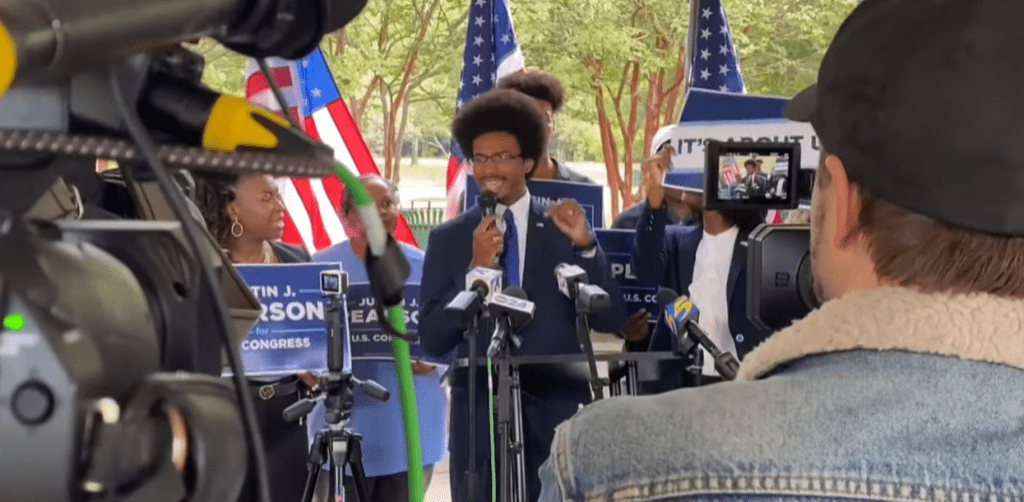
Young politicians like Tennessee’s Justin Pearson are leading this shift. Sworn in on the same day as the deadly Covenant Catholic school shooting in March 2023, Pearson’s advocacy quickly became personal. His brother’s suicide by firearm in 2024, combined with the earlier deaths of a mentor and classmate to gun violence, turned Pearson’s campaign for Congress into a direct challenge to the status quo. He now centers his platform on gun violence prevention, demanding federal action on background checks, extreme risk laws, mandatory waiting periods, and mental health support.
Pearson’s story is not unique. Across the country, survivors and grieving families are stepping into politics. Maxwell Frost, the first Gen Z member of Congress, rose from organizing March for Our Lives after the Parkland shooting. Cameron Kasky, another Parkland survivor, is now running for Congress in Manhattan. Georgia’s Lucy McBath, whose son was murdered in 2012, and Virginia’s Abigail Spanberger, both started as volunteers with Moms Demand Action before seeking office.
We see these leaders using their personal stories to push for sweeping reforms. In Tennessee, Pearson and fellow legislators Justin Jones and Gloria Johnson protested on the House floor after the Covenant shooting, leading to the expulsion of Pearson and Jones. Their return to office and continued activism drew national attention, showing that the movement is willing to confront political norms head-on.
The urgency is fueled by stark data. According to the Tennessee Department of Health, gunshot wounds are now the leading cause of death among youth in the state. Each new mass shooting or gun suicide becomes a rallying cry for change, with activists demanding solutions that address both immediate risks and root causes—poverty, mental health, and inequality.
Today, an NRA “F rating” is worn as a badge of honor among many Democrats. The new face of gun violence prevention is defined by leaders who turn personal tragedy into political firestorms, making background checks, extreme risk laws, and gun safety central to their campaigns and legislative agendas.
The Rising Generation of Activists: Not Just Survivors, But Politicians
We are witnessing a new wave in American politics where survivors of mass shootings and families affected by gun violence are not just sharing their stories—they are running for office and winning. This generation is transforming gun violence prevention from a sideline issue into a central campaign promise, especially among Democrats. Their lived experiences are now shaping gun safety laws, background checks, and even calls for an assault weapons ban.
Maxwell Frost, the first Gen Z member of Congress, is a clear example. He emerged from the March for Our Lives movement, which began after the 2018 Parkland shooting—a tragedy that killed 17 and galvanized youth activism nationwide. Alongside him, Cameron Kasky, another Parkland survivor, is now a congressional candidate in Manhattan. Their campaigns are rooted in the demand for stronger background checks and comprehensive gun safety laws, reflecting the priorities of a generation raised amid mass shootings.
The influence of youth activism is not limited to those directly affected by school shootings. Volunteers from Moms Demand Action, such as Lucy McBath and Abigail Spanberger, have also turned personal loss into political momentum. McBath’s son, Jordan Davis, was murdered in 2012, prompting her to advocate for reform before winning a seat in Congress. Spanberger, now Virginia’s governor-elect, started as a Moms Demand Action volunteer and has made gun violence prevention a cornerstone of her platform.
This shift is so significant that even traditional Democrats have changed their approach. After the 2012 Sandy Hook massacre, which left 20 children and 6 adults dead, lawmakers like Joe Manchin and Tim Walz risked their once-coveted NRA “A ratings” to support measures such as an assault weapons ban and magazine restrictions. Today, many Democrats wear an NRA “F rating” as a badge of honor, signaling their commitment to gun safety over gun lobby approval.
Shannon Watts, founder of Moms Demand Action, notes that the movement has become a powerful advocacy network, helping survivors and families transition from activism to elected office. These new leaders are pushing for holistic solutions, recognizing that gun violence is deeply connected to issues like poverty, mental health, and inequality. Their presence in politics is forcing a realignment of party identity, making gun violence prevention a litmus test for Democratic candidates.
The Holistic Approach: Gun Violence and its Tangled Roots
We are witnessing a profound shift in how leaders and advocates address gun violence in America. No longer seen as a single-issue crisis, gun violence is increasingly recognized as a symptom of deeper social challenges—poverty, inequality, and gaps in mental health services. Activists like Tennessee’s Justin Pearson argue that decades without comprehensive action have allowed these crises to worsen, costing lives and fracturing communities.
Gun Violence: More Than a Criminal Issue
Advocates emphasize that gun violence is inseparable from broader social issues. In communities hardest hit, one can see clear links between firearm deaths, economic instability, and limited access to mental health support. Pearson and others call for bipartisan solutions that address these root causes, not just the weapons themselves. They argue that effective gun safety laws must be paired with investments in education, jobs, and mental health services.
Policy Gaps and Patchwork Solutions
Federal inaction has forced states to create their own gun safety laws, resulting in a patchwork of regulations. While 11 states have adopted new safety laws, 28 have weakened permit requirements, making enforcement inconsistent. The lack of universal background checks at the federal level leaves dangerous gaps, while industry immunity complicates accountability. Advocates warn that without national standards—such as mandatory waiting periods, extreme risk laws, and clear firearm prohibitions—progress will remain uneven.
- Mental health services are seen as essential, but underfunded and often stigmatized.
- Waiting periods and extreme risk laws (also known as red flag laws) are promoted as tools to prevent impulsive acts, including suicides and mass shootings.
- Critics argue some proposals are overbroad or infringe on gun owners’ rights, fueling political tensions.
Data and Debate
Research shows that states with stronger gun safety laws tend to have lower rates of gun violence. However, these measures often face resistance in states with strong gun rights traditions. The debate is further complicated by federal loopholes in background checks and the gun industry’s legal protections.
“Gun violence is not just about guns—it’s about poverty, mental health, and opportunity,” says Pearson, reflecting the holistic approach now driving the movement.
As advocates push for systemic reform, you see a growing demand for policies that address both the weapons and the tangled roots of violence, insisting that real safety requires more than just new laws.
What Gun Owners Must Know: The Hidden Risks Behind the Movement
As the gun violence epidemic drives a new wave of political activism, gun owners face a changing landscape shaped by passionate personal stories and urgent calls for reform. Survivors and grieving families are now at the forefront, demanding common sense policies like universal background checks, red flag laws, and industry accountability. While these proposals are gaining traction, it is crucial for responsible gun owners to recognize the potential risks behind the movement’s momentum.
Personal Stories: Powerful, But Not Always Balanced
The rise of advocates like Tennessee’s Justin Pearson and Georgia’s Lucy McBath has brought a human face to the debate. Their experiences with loss have fueled a push for stricter laws. However, policies driven by emotion can sometimes overlook the complexities of gun ownership and the effectiveness of existing laws. For example, while firearm prohibitions for domestic violence offenders have shown positive impacts, they also raise concerns about due process and the risk of overreach.
Red Flag Laws & Background Checks: Double-Edged Swords
Proposals such as federal red flag laws and universal background checks—often championed by groups like the Gun Law Center—aim to prevent dangerous individuals from accessing firearms. Yet, these measures could lead to improper or unjustified firearm confiscation, especially if due process is not strictly followed. The “Background Checks Now” movement, while well-intentioned, may unintentionally impact lawful owners who are caught in bureaucratic errors or vague criteria.
Community Division & Politicization
The growing movement risks dividing communities and politicizing everyday gun ownership. As more candidates make gun safety a central campaign issue, there is a danger that nuanced debate will be replaced by partisan rhetoric. This could sideline gun owners’ perspectives and erode trust between citizens and lawmakers.
- Data shows: Gunshot wounds are now the leading cause of youth death in Tennessee.
- States with stronger laws often report lower violence rates, but nearly half have repealed permit requirements, highlighting a complex picture.
- Despite new laws, national gun death rates remain high, suggesting that legislation alone cannot solve the problem.
Grassroots activism, while powerful, sometimes overlooks statistical realities in favor of compelling narratives. Gun owners should stay engaged in policy discussions to ensure that reforms protect both public safety and individual rights.
A Glimpse Forward: The Ongoing Debate and What It Means for You
As we look ahead, the political wave transforming gun safety policies is far from settled. The debate is intensifying, with gun law trendwatch showing that gun safety has become a decisive factor in elections, reshaping not just party platforms but also personal political identities. Candidates and coalitions are increasingly treating gun safety as a litmus test for leadership, a shift that brings both momentum and new challenges.
This surge in political courage is driven by public demand and the relentless advocacy of survivors and families. Yet, as more states pass common sense policies—like extreme risk protection orders, mandatory waiting periods, and universal background checks—there are risks of unintended consequences. For example, 28 states have repealed requirements for concealed carry permits, while others are tightening restrictions. The lack of unified federal standards, especially around federal concealed carry, leaves a patchwork of laws that can confuse both gun owners and law enforcement.
Events like Wear Orange Weekend (June 5-7, 2026) are raising national awareness, but also highlighting the deep divisions that remain. As coalitions form around gun safety, some gun owners feel increasingly marginalized, worried that their rights are being overshadowed by sweeping reforms. This tension underscores the need for pragmatic dialogue—one that recognizes the complexities behind both gun violence and responsible gun ownership. Without this balance, the push for reform could deepen polarization, making it harder to find solutions that work for everyone.
What does this mean for you? The ongoing debate is not just about laws—it’s about the future of your community. Calls for a public health approach to community violence are growing louder, with experts urging better data, threat assessments, and mental health support. Legislative innovation, guided by research and lived experience, could help bridge the gap between safety and rights. As you watch the headlines and participate in local or national campaigns, your voice matters. Whether you’re a gun owner, a survivor, or simply concerned about safety, engaging in this conversation is crucial.
Ultimately, the path forward will require both political courage and public participation. The movement for gun safety is reshaping American politics—and your involvement will help determine whether the next wave of policies brings lasting change or deepens existing divides.
TL;DR: The gun violence prevention movement is gaining political muscle, led by activists turned candidates focused on stricter laws. While their cause is understandable, their approach often ignores gun owners’ rights and oversimplifies complex societal problems.